 ultimate-guide
Steel Frame Modular Home Durability Guide
Table of Contents
- What Makes Steel Frame Modular Homes So Durable?
- Steel Frame vs Timber Frame Modular Homes: The Durability Difference
- Bushfire Attack Level (BAL) Ratings for Modular Homes
- Frequently Asked Questions
Last Updated: September 8, 2026
What Makes Steel Frame Modular Homes So Durable?
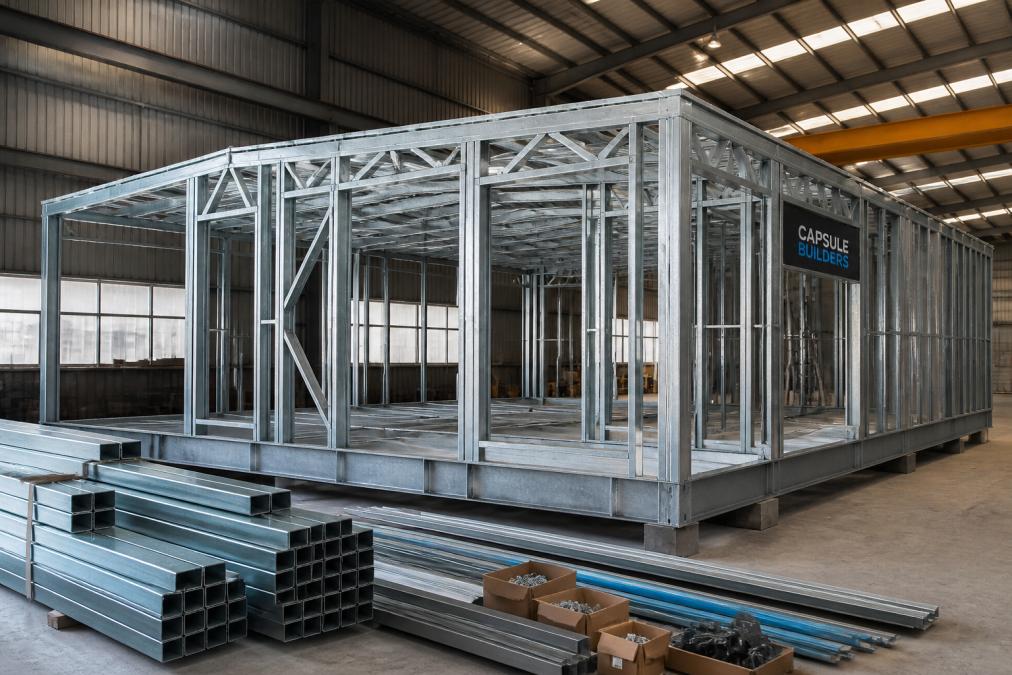
A steel frame modular home derives its durability from galvanised steel combined with precision off-site manufacturing. Unlike timber, which can warp or twist as it dries, a steel frame maintains its exact dimensions for the life of the structure, preventing the cracks and sticking doors that plague traditional builds.
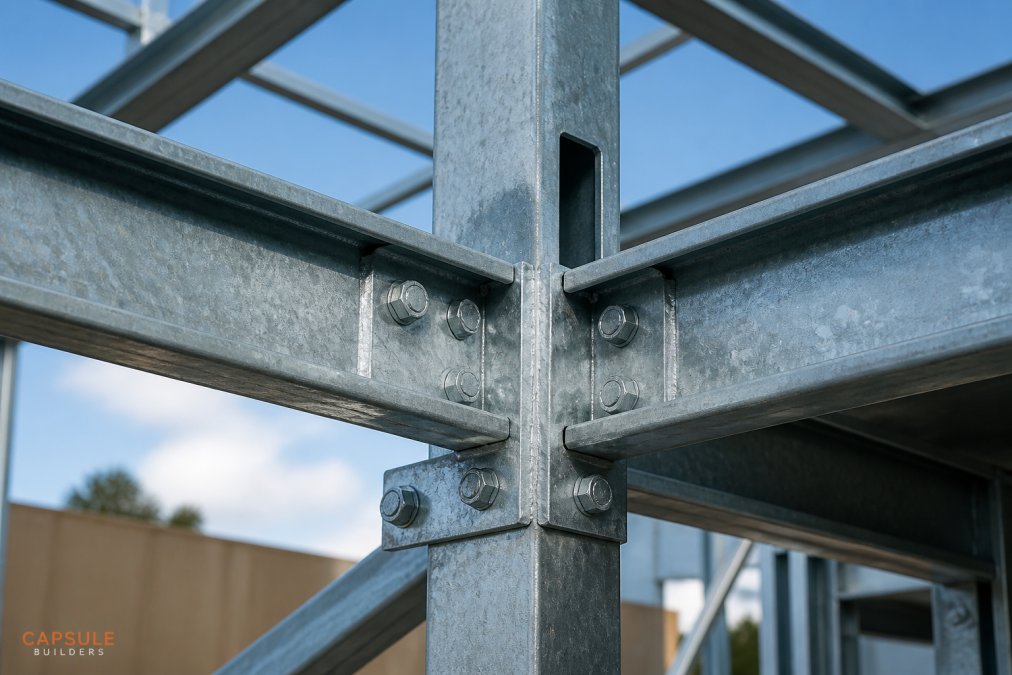
The galvanising process bonds a protective zinc coating to the steel, creating a metallurgical barrier that guards against rust even in coastal environments (galvanizeit.org). Because the structure is non-combustible and does not feed termites, the two most common causes of premature failure in Australian housing are eliminated (csiro.au).
Steel Frame vs Timber Frame Modular Homes: The Durability Difference
The debate between steel frame vs timber frame modular homes comes down to which material will still be performing in 50 years. Timber is subject to moisture absorption, shrinkage, and warping, while steel is dimensionally stable, warp-free, and unaffected by humidity.
Termite resistance is the clearest differentiator, and steel also delivers superior load-bearing capacity and tensile strength for high wind loads and seismic forces (buildingsguide.com). The maintenance-free nature of a properly engineered steel frame gives it a distinct edge for long-term owners.
| Durability Factor | Steel Frame | Timber Frame |
|---|---|---|
| Termite resistance | Fully resistant | Vulnerable without treatment |
| Structural movement | Warp-free, no shrinkage | Can twist, shrink, and settle |
| Fire resistance | Non-combustible | Combustible |
| Lifespan | 50+ years with minimal upkeep | 25-50 years with maintenance |
| Moisture impact | Corrosion-resistant with galvanising | Rot and mould risk |
Bushfire Attack Level (BAL) Ratings for Modular Homes
When assessing a steel frame modular home against Australian building codes, the bushfire attack level (BAL) rating is critical. Steel framing is non-combustible, so an experienced modular builder will confirm that a steel frame, combined with fire-rated panels and glazing, can help a home meet the requirements of bushfire-prone zones.
Off-site manufacturing means your steel-framed modules arrive as a complete, precision-built structure, with every fire-resistant detail executed in a controlled factory environment. Discussing BAL requirements with your builder early in the design phase is essential, as the rating directly influences materials and methods. A complete modular builder including installation will handle the entire process from design through to site assembly, ensuring your steel frame is erected correctly and performs as engineered for decades.
The long-term value of a steel frame modular home extends beyond the initial build, with recyclable materials and a smaller environmental footprint. The durability means fewer repairs, lower insurance risk, and a home you can build anything modular around for years to come.
Frequently Asked Questions
What is the lifespan of a steel frame house?
Galvanised steel framing in modular homes is engineered for a design life of 50 years or more, often outlasting traditional timber. The steel's corrosion resistance, combined with precision off-site manufacturing, ensures structural integrity is maintained for decades. This longevity is supported by structural warranties, making a steel frame modular home a sound long-term investment.
Are steel-framed modular homes resistant to termites and pests?
Yes. Steel is completely termite resistant, eliminating the risk of costly pest damage that can compromise timber frames. This is a key durability advantage, particularly in areas prone to termites. Choosing a steel frame protects your home's structural integrity and avoids the need for chemical soil treatments, offering peace of mind and lower long-term maintenance.
What are the primary maintenance requirements for steel-framed modular structures?
Steel frames require minimal maintenance compared to timber. The main tasks are inspecting the exterior cladding and ensuring proper drainage to prevent moisture build-up, which protects the steel's protective coating. Checking seals around windows and doors annually helps maintain the building envelope. This low-maintenance nature is a core benefit of choosing steel for your modular home.
Choosing a durable home frame is one of the most important decisions you will make. Steel offers proven performance where it matters: structural integrity, fire resistance, and protection from pests and moisture. At Capsule Builders, we specialise in custom modular builds that combine this enduring steel structure with intelligent, energy-efficient design tailored to your block. Get started with Capsule Builders and secure a home built to last.