 ultimate-guide
Modular Home Resale Value in Western Australia
Table of Contents
- What Drives Modular Home Resale Value in Western Australia
- Benefits of Steel-Framed Modular Homes for Capital Growth
- Modular Home Financing Requirements and Lending Realities
- Modular Home Construction Timeline and Its Effect on Resale
- Frequently Asked Questions
Last Updated: August 20, 2026
What Drives Modular Home Resale Value in Western Australia
Modular home resale value in Western Australia depends on four key variables: structural quality, design flexibility, energy efficiency ratings, and council approval compliance. Homes that score well across all four perform comparably to site-built dwellings in the same area.
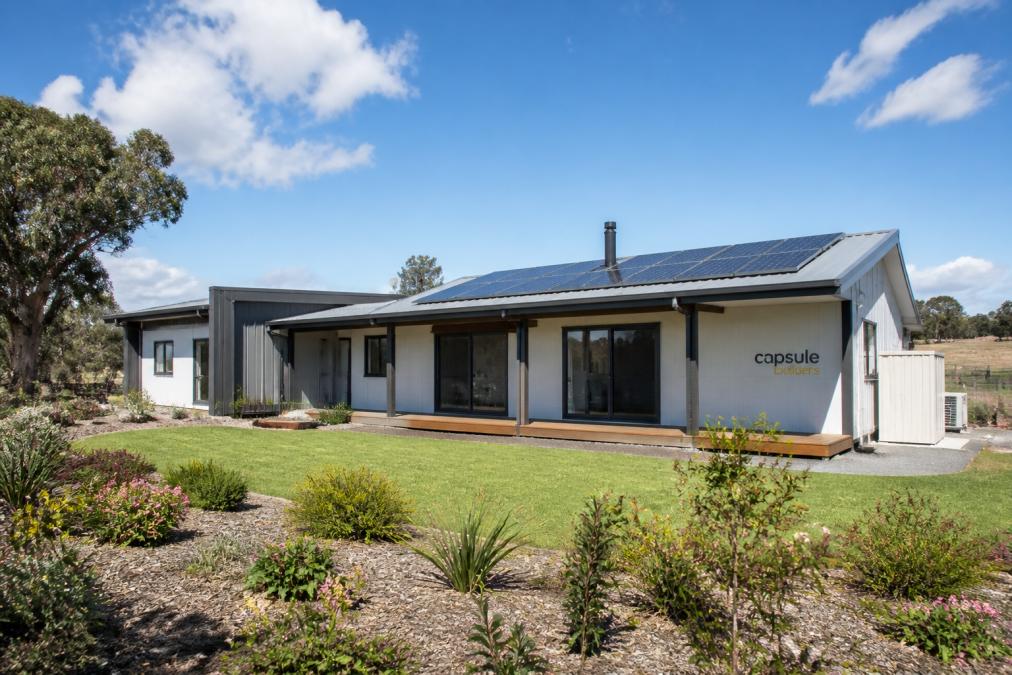
Building code compliance is non-negotiable. Modular homes must meet the same requirements under the National Construction Code administered by the Australian Building Codes Board as any traditionally built dwelling. A modular home certified to code with appropriate building permits is, from a legal and financial standpoint, indistinguishable from a conventional build.
Location drives capital appreciation, but construction method increasingly matters to buyers factoring in running costs. Homes designed to a 7-star or higher energy efficiency rating carry a genuine market premium because lower utility bills are quantifiable. Solar and battery-ready infrastructure adds appeal, particularly in regional areas where grid reliability is inconsistent.
Floor plan flexibility also plays a role. Buyers respond well to adaptable layouts, and modular assembly makes reconfiguration more straightforward than traditional construction.
| Factor | Effect on Resale Marketability |
|---|---|
| Building code certification | High: lender and buyer confidence |
| Energy efficiency rating (7-star+) | High: lower running costs attract buyers |
| Custom design vs. standard floor plan | Medium-High: bespoke layouts command premium |
| Council approval documentation | High: essential for resale and financing |
| Site preparation and utility connections | Medium: affects perceived value and liveability |
| Structural material (steel vs. timber frame) | Medium-High: durability signals affect long-term asset value |
Benefits of Steel-Framed Modular Homes for Capital Growth
Steel framing is a structural decision with direct consequences for long-term asset value. Timber-framed prefab construction has documented vulnerability to termite damage, moisture ingress, and dimensional movement over time. Steel-framed off-site manufacturing eliminates all three, meaning maintenance costs remain lower and the building presents better at resale.
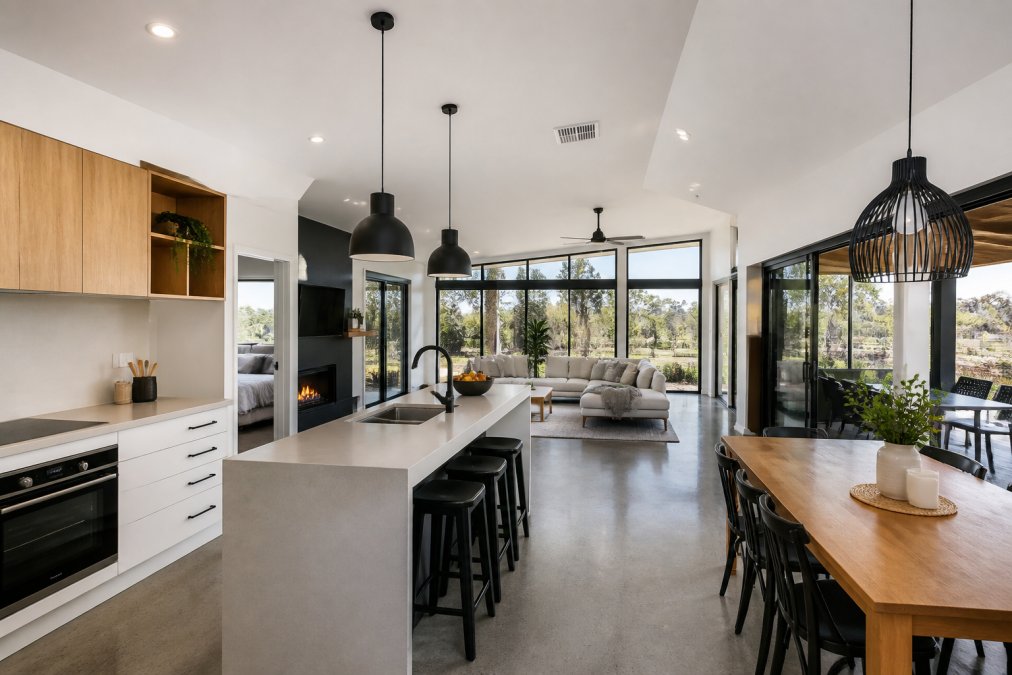
An experienced modular builder using steel frames can demonstrate to valuers that structural components carry longer effective life than timber construction, translating to slower depreciation. Factory-controlled manufacturing ensures every weld, connection, and finish is completed under consistent quality assurance, free from weather delays and variable trade quality.
According to the Australian Steel Institute's guidance on residential steel framing, steel framing offers superior performance in bushfire-prone areas, which affects insurability and resale value in regional Australia.
You can build anything modular from compact studios to multi-bedroom family homes. Custom design adds value because bespoke dwellings hold their appeal longer than cookie-cutter floor plans.
Modular Home Financing Requirements and Lending Realities
Modular home financing requirements differ from standard home loans in ways that catch first-time buyers off guard. The core issue is draw-down structure. Traditional construction loans release funds in stages tied to on-site progress. Off-site manufacturing does not follow that sequence, creating a mismatch with how many lenders assess progress and release funds.
Some lenders treat a modular home as personal property until it is affixed to land and connected to utilities, applying higher interest rates and shorter terms. Work with a broker experienced in prefab construction loans and confirm with your lender before signing that they will treat the dwelling as real property once installed.
As noted in the Australian Prudential Regulation Authority's guidance on residential mortgage lending, lenders assess security value against the completed and installed dwelling, not the factory-built module. Keep every permit, inspection certificate, and compliance record as proof of equivalence at resale.
Modular Home Construction Timeline and Its Effect on Resale
Speed of delivery is where modular construction separates itself from traditional building. A conventional site-built home in regional areas often takes twelve to eighteen months from permit to handover. Off-site manufacturing runs parallel to the council approval process, compressing the overall modular home construction timeline considerably.
That compression reduces holding costs. A buyer reaching handover months earlier avoids months of rent, reduces construction loan interest accrual, and begins building equity sooner. According to the Housing Industry Association's construction activity data, trade shortages in regional areas continue to extend conventional build times, making the timeline advantage of prefab construction increasingly material.
Faster construction does not mean less rigorous construction. Factory quality assurance runs continuously throughout fabrication, and site installation is typically brief because structural and fit-out work is already complete. The result is a dwelling reaching market in better condition than many site-built homes, which matters for modular home resale.
A complete modular builder including installation specialises in custom modular builds designed around your specific land conditions, R-Code requirements, and long-term asset goals. The Capsule Studio™ tool lets you design your home and track your budget in real time, so there are no surprises at handover and no ambiguity about what you are building or why.
Frequently Asked Questions
Do modular homes appreciate in value like traditionally built houses?
A modular home built to the National Construction Code on a permanent foundation is classified as a permanent dwelling, which means it can appreciate in line with local property market conditions. Modular home resale value in Western Australia depends heavily on site preparation quality, council approval status, building code compliance, and the structural integrity of the build. Steel-framed, custom-designed modular homes with strong energy efficiency ratings tend to hold and grow their value more reliably than older transportable or prefab designs.
Are banks and lenders supportive of modular home mortgages?
Modular home financing requirements vary between lenders. Most major Australian banks will finance a modular home provided it sits on a permanent foundation, holds a standard building permit, and meets local council approval conditions. Construction loans are the typical product used during the build phase, converting to a standard home loan on completion. Working with an experienced modular builder who supplies full documentation, engineering certificates, compliance reports, and occupancy approvals, significantly smooths the lending process.
Is a modular home considered a permanent dwelling for resale purposes?
Yes, provided it is built to the National Construction Code, installed on an approved permanent foundation, and issued with the relevant building permits and occupancy certificate by the local council. A modular home that meets these conditions is treated the same as a site-built home for resale, stamp duty, and lending purposes. The distinction that affects resale marketability is between a permanently installed modular home and a transportable home that retains its wheels or skids.
What factors most influence the resale value of a modular home?
The key factors are build quality and structural integrity, energy efficiency ratings, floor plan flexibility, site works quality, and whether the home holds full council approval and building code compliance documentation. Custom design choices, such as steel-framed construction, solar and battery-ready systems, and durable building materials, all contribute to resale marketability. Location and regional logistics also play a role, particularly for properties in bushfire attack level zones where compliant construction adds measurable value.
Modular home resale value in Western Australia is not a gamble when the build is done properly. The structural quality, energy efficiency, and documentation that define a well-specified modular home are the same qualities that give buyers and lenders confidence. The challenge is choosing an experienced modular builder who understands those requirements from the ground up. Start your concept with Capsule Builders and build something that holds its value.