 ultimate-guide
Can You Get a Fixed Price Modular Home?
Table of Contents
- What Is a Fixed Price Modular Home?
- Fixed Price Building Contract Explained
- Modular Home Construction Costs and What Affects Them
- Modular Home Build Timeframes and Cost Certainty
- Frequently Asked Questions
Last Updated: August 26, 2024
What Is a Fixed Price Modular Home?
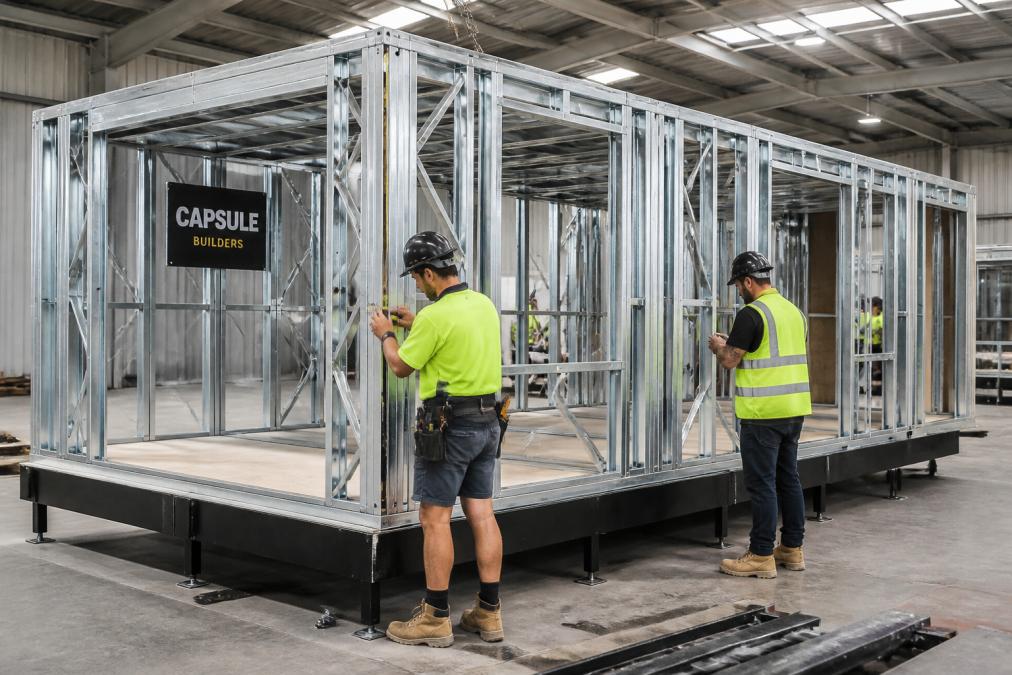
A fixed price modular home is a dwelling built using factory-constructed, steel-framed modules assembled on your site, with the total cost locked in before construction begins. Unlike traditional builds where costs can shift mid-project, a fixed-price contract provides cost certainty from design through handover.
Modular construction manufactures structural sections off-site in a controlled factory environment, then transports and assembles them on your land. Modules arrive with walls, electrical rough-ins, and structural systems already completed, so site work focuses on assembly, foundation connections, and finishing trades. For an experienced modular builder, this cost certainty is built into how projects are scoped and contracted from the beginning.
You know your total investment before the first module arrives, unlike traditional construction where prime cost items and provisional sums create budget uncertainty.
Fixed Price Building Contract Explained
A fixed-price building contract is a legal agreement where the builder commits to completing the work for a stated total amount, regardless of labour costs, material price fluctuations, or minor unforeseen site conditions (rics.org). This shifts financial risk to the builder, which is why experienced modular builders price these contracts conservatively.
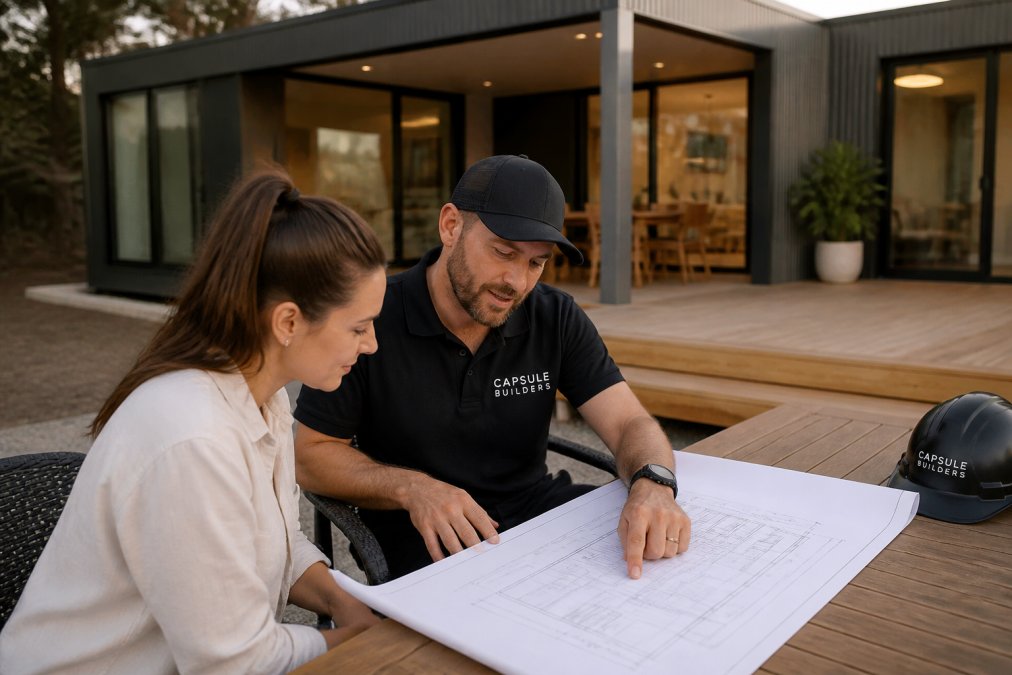
The contract defines project scope in detail: exact design specifications, materials, finishes, site preparation requirements, and building permit compliance. Anything outside this scope becomes a variation order, which adjusts the price. Key protections include detailed specification documents, clear definition of what's included, variation clause procedures, timeline and handover conditions, warranty periods, and payment schedules tied to milestones. The strength of a fixed-price contract depends on how thoroughly the design and site assessment were completed before signing. A complete modular builder including installation will walk you through these protections transparently, ensuring the contract reflects your actual project scope.
Modular Home Construction Costs and What Affects Them
Construction costs for modular homes vary based on design complexity, site conditions, location, and finish standards. Foundation and site preparation are often underestimated. Your land's slope, soil type, access for delivery vehicles, and utility proximity all affect these costs. Logistics and delivery represent real costs many first-time buyers overlook, transporting modular sections to regional areas involves specialist transport, which costs more than metro delivery.
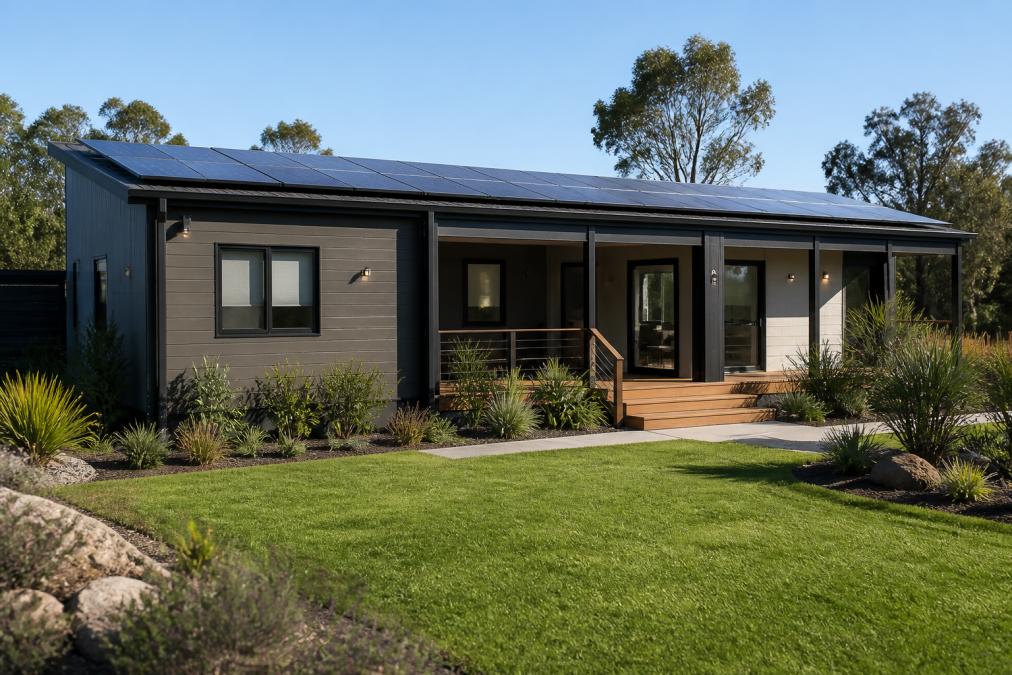
Design specifications and finish choices compound the base cost. Solar-ready systems, battery storage integration, premium cladding, or custom interior finishes add value but increase the fixed price. The design phase determines most of your final cost, this is where you can build anything modular within your budget constraints.
Modular Home Build Timeframes and Cost Certainty
Build timeframes for modular homes typically range from four to eight months from contract to handover, depending on design complexity and site conditions (nahb.org). Parallel processing of permits and factory fabrication compresses the overall schedule compared to traditional construction (fema.gov).
Cost certainty during the build depends on contract terms and change management discipline. A well-written fixed-price contract protects you from material cost inflation or labour rate increases. However, variations you request after signing will adjust the price. Payment schedules typically align with fabrication and delivery milestones rather than traditional stage payments, tying cash flow to tangible progress.
A fixed price modular home is achievable when you work with an experienced modular builder who understands how to scope projects comprehensively and manage site conditions transparently. The key is thorough design development and honest site assessment before signing. When done correctly, a fixed-price contract delivers cost certainty and faster completion than traditional building methods. To explore how a bespoke modular approach could work for your land and budget, start your concept with a builder who specialises in custom modular builds and can walk you through the fixed-price process transparently.
Frequently Asked Questions
What is the difference between a fixed price contract and a cost-plus contract?
A fixed price contract locks your total investment from the start, with the builder absorbing cost overruns. A cost-plus contract means you pay the builder's actual costs plus a markup, so your final bill can change. Fixed price offers cost certainty; cost-plus offers flexibility if project scope changes. Modular construction's off-site manufacturing makes fixed-price guarantees more achievable because most variables are controlled in the factory rather than on unpredictable building sites.
Are there hidden costs in modular home building contracts?
Yes, common hidden costs include site preparation, foundation work, utility connection fees, and logistics costs for transporting modules. A comprehensive fixed-price contract should detail these upfront. Prime cost items (materials you select) and provisional sums (allowances for unknown costs) are often negotiable. Always review your contract to confirm what's included and what's excluded. An experienced modular builder will itemise these clearly so you know exactly what you're paying for.
Can I actually lock in a fixed price on a modular home?
Yes, but only if project scope, design specifications, and site conditions are fully defined before the contract is signed. Variation clauses in most contracts allow price adjustments if you change the design or if unforeseen site issues arise. The modular construction approach reduces overrun risk because much of the build happens off-site in controlled conditions. However, your fixed price is only as solid as your contract terms, so clarify what triggers variations and what the builder guarantees from the start.