 how-to
Solar Orientation for Modular Homes: A Practical Guide
Table of Contents
- Understanding Solar Orientation for Modular Homes
- Best Direction for Solar Panels: Maximising Energy Output
- Assessing Site Conditions and Solar Panel Shading
- Frequently Asked Questions
Last Updated: October 18, 2026
Understanding Solar Orientation for Modular Homes
Understanding solar orientation modular homes determines how much natural light and heat your home receives throughout the year. Getting this right affects comfort, energy costs, and how well solar panels perform on your roof.
As an experienced modular builder, we've seen how orientation decisions shape a home's entire performance profile. The direction your home faces isn't just about views or street appeal, it directly influences heating demand in winter, cooling demand in summer, and the electricity your solar system can generate.
The challenge is that orientation involves trade-offs. A direction that maximises winter warmth might increase summer cooling needs. A roof angle perfect for solar panels might not align with your preferred living areas. Understanding these tensions helps you make choices that match your actual priorities.
Best Direction for Solar Panels: Maximising Energy Output
True north is your starting point for solar panel placement. In this hemisphere, panels facing true north capture the most consistent sunlight throughout the year. This differs from magnetic north, which your compass shows, true north is what matters for solar.
East and west-facing orientations each have distinct advantages. East-facing panels capture morning sun when energy demand is often lower. West-facing panels catch afternoon sun when consumption typically peaks. North-east and north-west angles split the difference, offering moderate output in both directions.
South-facing panels generate less annual energy but perform better during winter months when days are shorter. This matters if you're designing for seasonal heating or off-grid systems where winter reliability is critical.
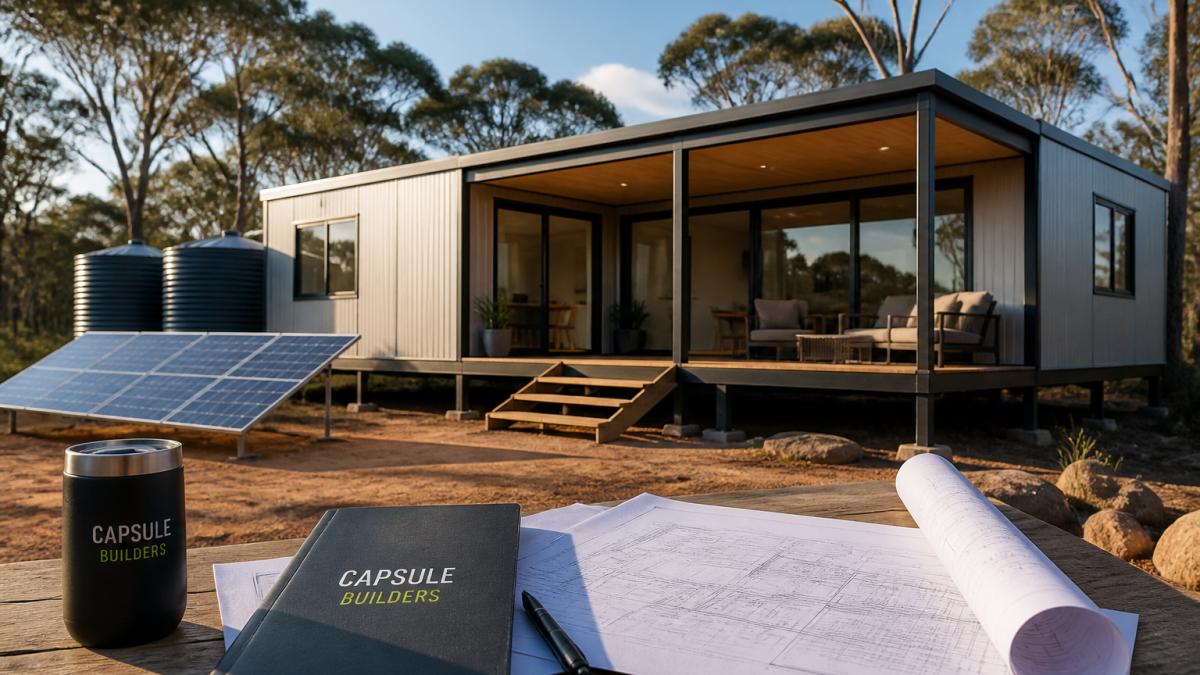
In solar orientation modular homes, window placement and glazing work alongside panel orientation. Large north-facing windows bring in winter sun for passive solar heating. Deep eaves or external shading prevent summer overheating. When you specialise in custom modular builds, these details integrate into the design from the start, and our complete modular builder including installation service ensures every element, from orientation to final setup, works together seamlessly.
Assessing Site Conditions and Solar Panel Shading
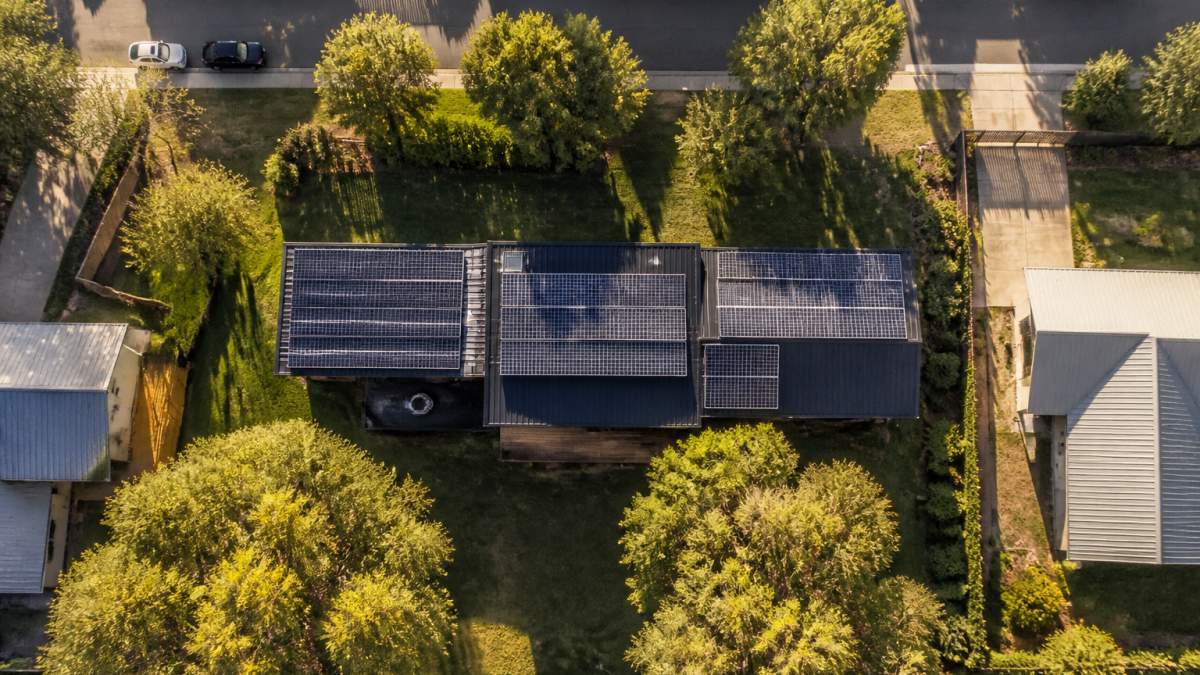
Site conditions often override theoretical ideals. Trees, neighbouring buildings, and terrain block sunlight and create shading patterns that change across seasons. A north-facing wall might receive full sun in winter but sit in shadow by mid-afternoon in summer.
Start by observing your block at key times: sunrise, midday, and sunset during both winter and summer if possible. Note where shadows fall and which areas stay clear. This real-world assessment beats any general rule.
Surrounding obstructions matter more than you might expect. A mature tree to the west can eliminate afternoon overheating. The same tree might block valuable winter sun. Understanding these trade-offs helps you position living areas, windows, and solar panels where they'll actually perform.
You can build anything modular when you account for site-specific constraints early. The Capsule Studio™ design tool lets you model your block's conditions and test orientations before fabrication begins, ensuring your final design works for your actual land.
Frequently Asked Questions
Which direction should solar panels face on a modular home?
In Australia, north-facing solar panels capture the most direct sunlight year-round and typically deliver the highest energy output. However, the best direction for solar panels also depends on your site conditions, roof pitch, and how you use electricity. East-west orientations can work well if they reduce shading or suit your daytime consumption pattern. An experienced modular builder can assess your specific block and design a solar-ready layout that maximises both comfort and generation.
How does solar panel shading affect my modular home's energy output?
Even partial shade from trees, neighbouring structures, or roof features can significantly reduce solar panel efficiency. When planning solar panel shading mitigation, assess shade patterns throughout the year, winter shade is less critical than summer shade. During the design phase, you can build anything modular to work around obstructions: reposition roof panels, use microinverters, or adjust eaves and window placement. Discuss shade mapping with your builder before finalising orientation.
Can east-west solar panels work well on a modular home?
Yes, east-west solar panels can perform effectively, especially if they reduce shading or match your daytime energy consumption. East-facing panels capture morning sun; west-facing panels catch afternoon generation. This split orientation can improve self-consumption in homes where residents use more electricity during the day. However, north-facing panels typically deliver 10-20% more annual output. Your choice depends on your site, roof design, and energy goals. Specialists in custom modular builds can help you weigh the trade-offs.
When you're ready to explore how solar orientation shapes your modular home's design and performance, we can help you assess your site and find the orientation that matches your goals. Get started with Capsule Builders and design a home that works with your land, not against it.