 how-to
How to Increase Modular Home Property Appraisal Value
Table of Contents
- How Modular Homes Are Appraised and Valued
- Modular Home Renovations That Add Value
- How to Prepare for a Property Appraisal
- Frequently Asked Questions
Last Updated: October 5, 2026
How Modular Homes Are Appraised and Valued
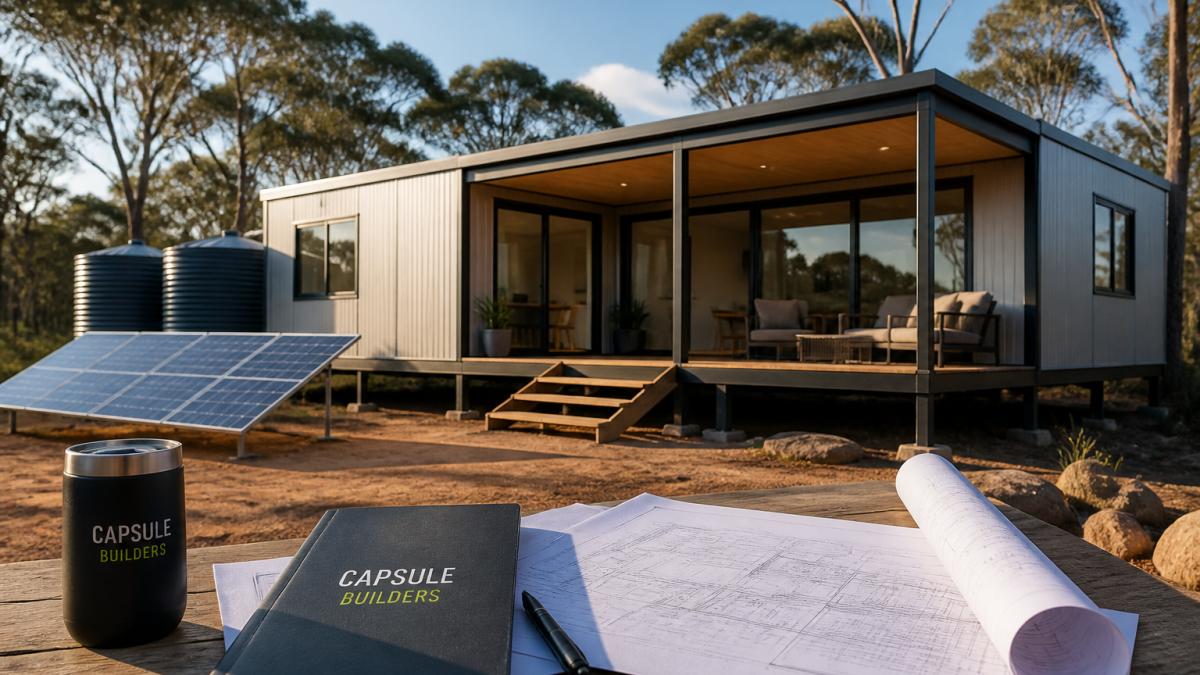
A modular home is built in factory sections, then transported and assembled on your land. For lenders and valuers, what counts is whether it is fixed to a permanent foundation, council-approved, and comparable to nearby houses.
That is the short answer to how to increase modular home property appraisal value: prove your home is a normal, permanent house in a strong location.
At Capsule Builders, we build bespoke, steel-framed modular homes and guide clients through every stage that affects a valuation.
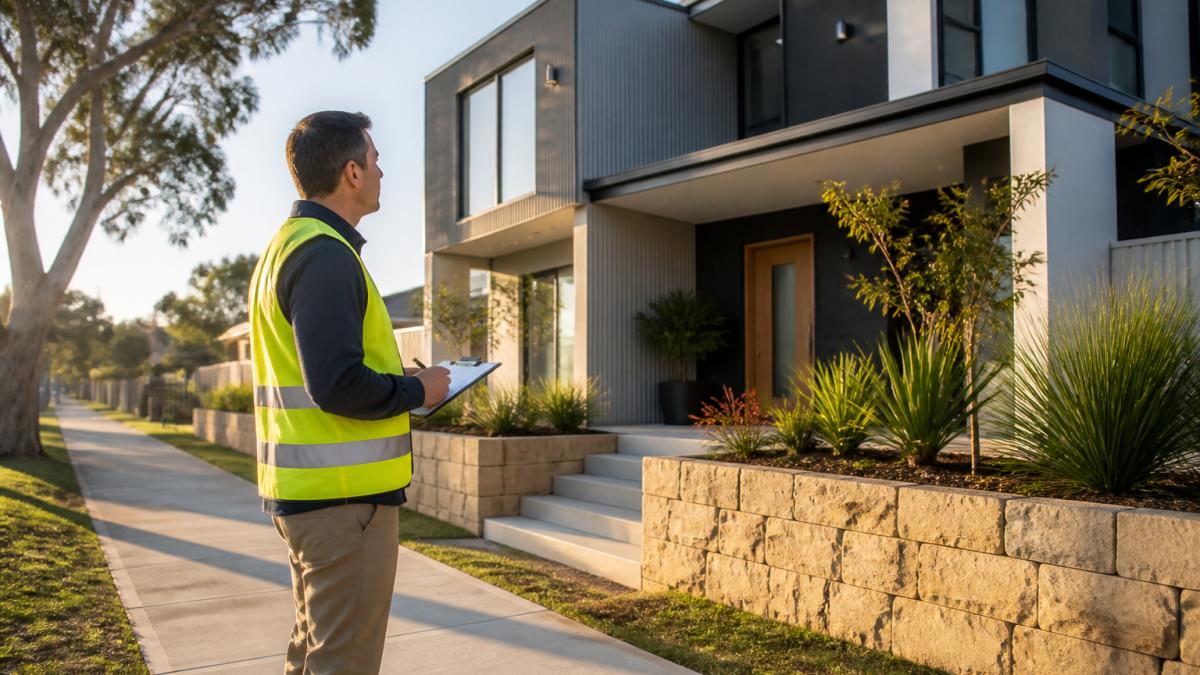
An appraisal is a professional opinion of market value, not a rebuild cost. A valuer inspects the property, checks council approvals, and uses three to five comparable nearby sales adjusted for size, condition, land, and features.
What the valuer actually checks
- Land value: size, zoning, position
- Site preparation: permanent foundation, footings, connections
- Plans and specs: approved versus built
- Construction quality: National Construction Code compliance
- Size and layout: floor area, bedrooms, flow
- Condition: age, wear, maintenance
- Permits and zoning: unapproved work is a red flag
A modular home and a site-built home of the same size, quality, and location should value similarly. The gap appears when documentation is thin or the home looks temporary.
Modular Home Renovations That Add Value
Not all upgrades pay you back, the ones that do are permanent, visible, and measurable. A renovated kitchen or bathroom usually returns more than a decorative change, and extra usable space lifts value more than a cosmetic refresh.
| Priority | Upgrade | Why it helps the appraisal |
|---|---|---|
| 1 | Kitchen or bathroom renovation | High buyer demand, easy to compare |
| 2 | Additional bedroom or living space | Changes the property's category |
| 3 | Energy efficiency improvements | Lower running costs, modern standards |
Keep every upgrade consistent with the home and street, and get approval for anything structural.
How to Prepare for a Property Appraisal
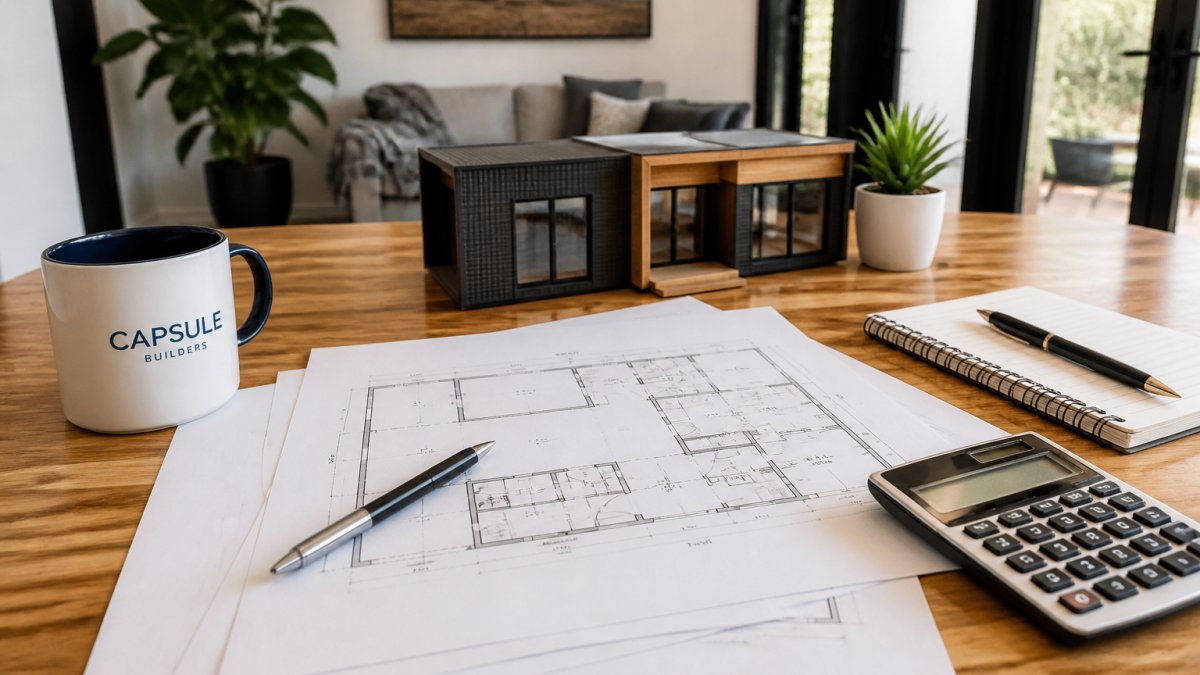
A valuer forms an impression fast, so a tidy, documented home supports a higher figure. Gather all paperwork before the visit:
- Building plans and specifications
- Council approvals and permits
- Engineer's foundation certification
- Electrical, plumbing, and gas compliance certificates
- Rates notices and land title
- Upgrades list with dates and receipts
- Energy efficiency documentation
Then clean, declutter, fix small defects, and keep every room accessible, small problems read as neglect and lower the condition score. Walk the valuer through yourself, pointing out added features and build quality, and be honest about anything unfinished.
Documents needed for a property valuation
The documents needed for a property valuation prove your home is legal, permanent, and well maintained. Missing paperwork is the fastest way to a lower figure, so ask your builder or council for copies before the visit. If your home was delivered by a complete modular builder including installation, they should be able to supply foundation certification, compliance certificates, and as-built plans directly.
An appraisal rewards homes that are well documented, well maintained, and clearly permanent. Capsule Builders specialises in custom modular builds, and as an experienced modular builder we design each home around your land, lifestyle, and budget using our Capsule Studio™ tool. You can build anything modular with a team that handles permits, fabrication, and installation. Start your concept with Capsule Builders and give your home the best chance at the value it deserves.
Frequently Asked Questions
How are modular homes appraised?
Appraisers treat modular homes like site-built homes for lending purposes because they are built to the same building standards and fixed to a permanent foundation. The valuer inspects the home, land, fixtures and inclusions, then applies market value using comparable sales of similar modular and site-built homes in the area. A modular home appraisal focuses on size, layout, overall condition, construction quality and local market conditions rather than the method of construction.
Do modular home renovations that add value differ from site-built renovations?
The principles are the same, but modular homes reward upgrades that improve energy efficiency and liveability. Adding solar and battery storage, upgrading insulation, or reconfiguring living areas can lift appraised value because they are permanent fixtures a buyer would pay for. Focus on improvements that bring the home closer to nearby comparable sales rather than over-capitalising on cosmetic changes that don't appeal to local buyer demand.
What documents do I need to prepare for a property appraisal?
Gather your building plans and specifications, council approvals and permits, engineer's certification for the permanent foundation, and any compliance certificates for electrical, plumbing or solar work. Include a list of inclusions, options and upgrades, plus recent utility bills if you are highlighting energy performance. Having these ready helps the appraiser verify construction quality and building standards, which supports a defensible valuation.