 how-to
How to Avoid Modular Home Cost Overruns
Table of Contents
- Understanding Cost Overruns in Modular Home Projects
- Securing Fixed-Price Modular Home Contracts
- Budgeting for Modular Home Site Preparation Costs
- Custom Modular Build Budget Planning and Control
- Frequently Asked Questions
Last Updated: August 31, 2026
Understanding Cost Overruns in Modular Home Projects
Cost overruns occur when projects exceed their original budget. They're preventable, the result of incomplete planning, unclear contracts, or underestimating site-specific costs. The difference between projects that stay on track and those that spiral lies in three areas: contract structure, pre-fabrication planning, and change management.
An experienced modular builder will tell you most overruns stem from two sources: clients not budgeting for site preparation and connection costs upfront, or contracts lacking fixed-price protection against scope creep. Both are preventable with the right approach.
Securing Fixed-Price Modular Home Contracts
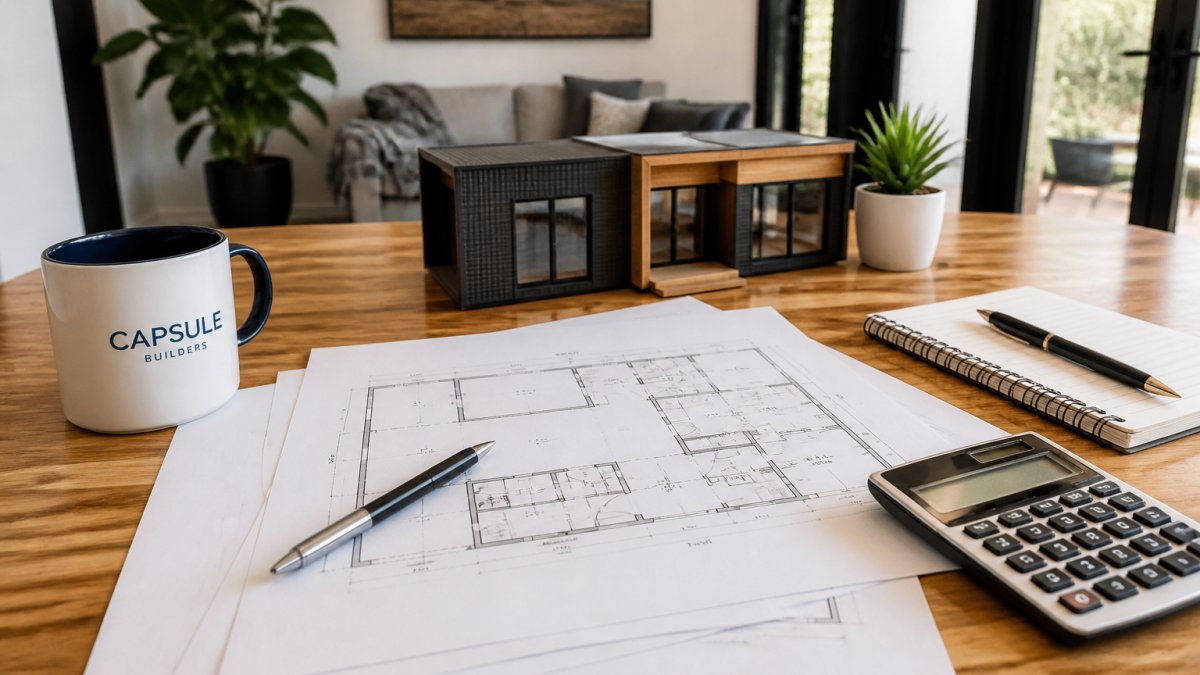
A fixed-price contract removes budget anxiety by locking in labour, materials, and fabrication costs. Your contract must clearly define what's included and what isn't. Site preparation, utility connections, and council permits often sit in a grey zone, experienced modular builders separate these explicitly. Factory-built modules should be fixed-price; everything else should be itemised with clear costs or marked as client responsibility.
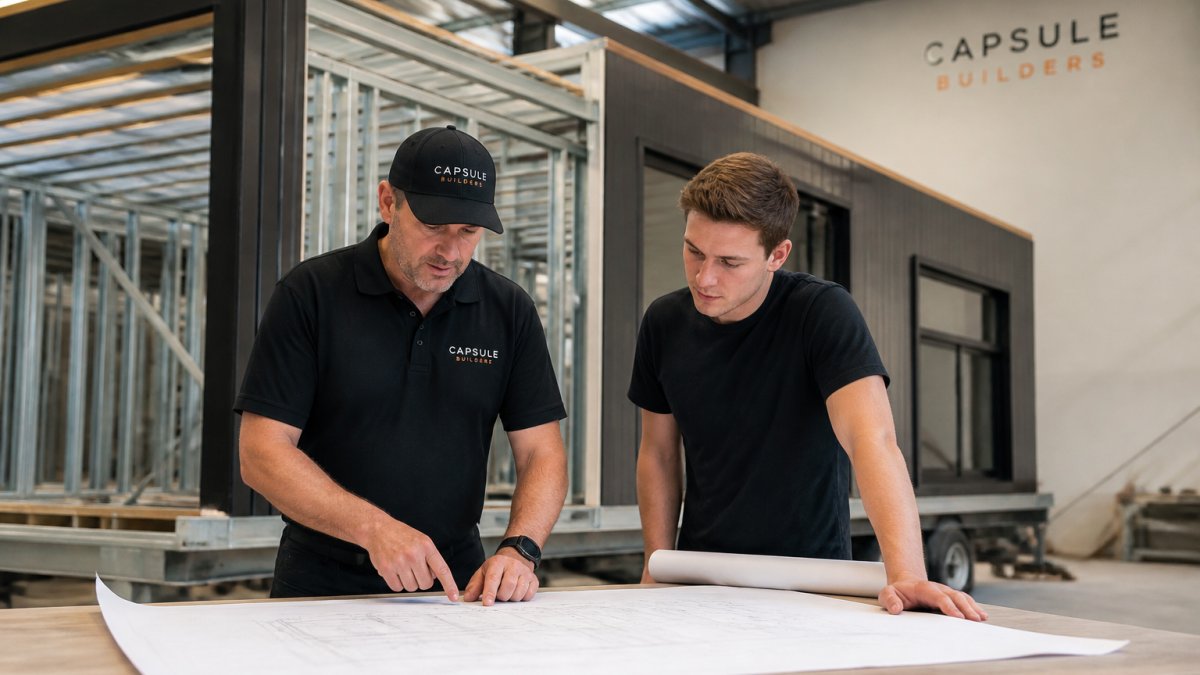
Request a detailed scope of work document listing every module, finish, and fixture. If something isn't listed, assume it's not included. Ask for a fixed-price guarantee in writing, some builders will absorb cost increases beyond a threshold; others won't. Know which before signing. Working with a complete modular builder including installation can simplify this process, as they manage both fabrication and on-site assembly under one contract, reducing coordination gaps and hidden costs.
Budgeting for Modular Home Site Preparation Costs
Site preparation costs surprise most first-time buyers (nahb.org). These include excavation, levelling, soil testing, foundation work, and utility trenching, all before modules arrive.
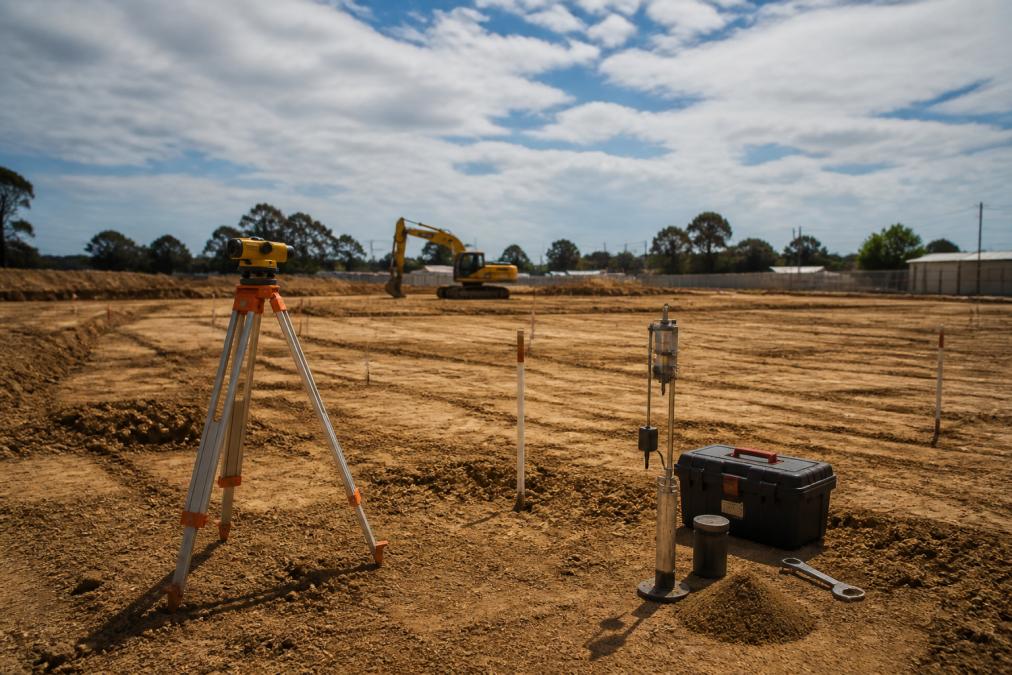
Budget for a geotechnical report early (asce.org). It reveals soil conditions, drainage patterns, and foundation requirements specific to your block. Without it, you're guessing, soil that looks stable might need deeper footings; ground that looks level might need significant fill.
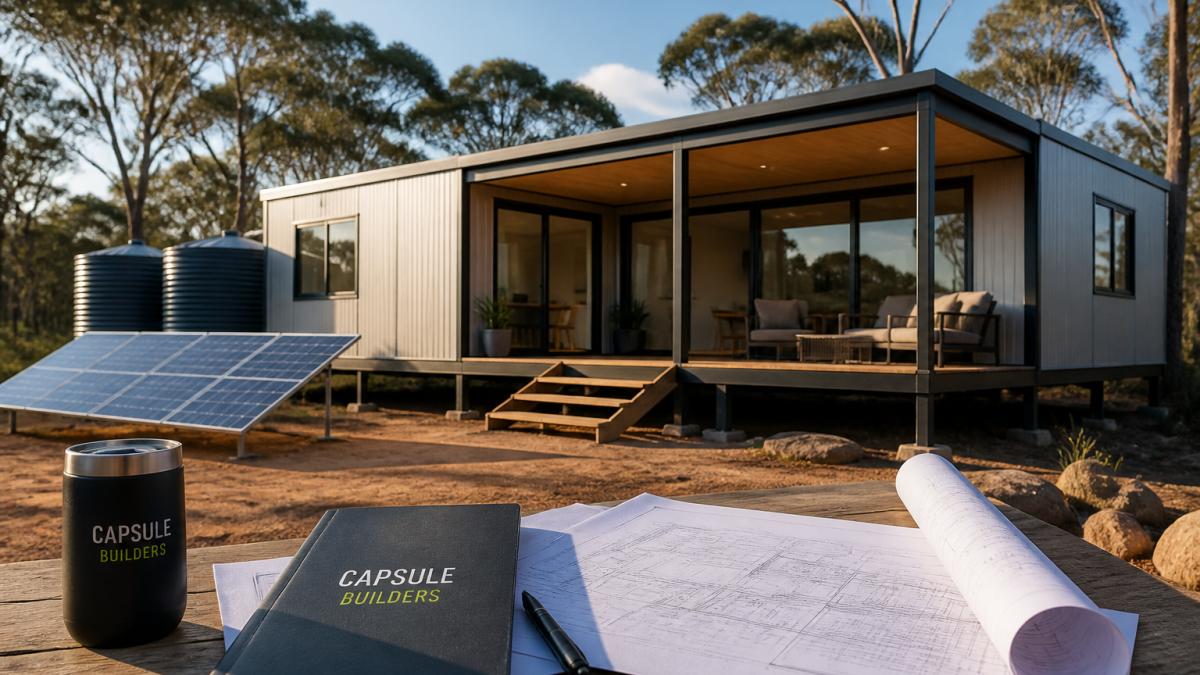
Transportation costs deserve their own line item. Module delivery trucks require site access; narrow driveways, steep grades, or poor roads increase costs. Crane hire for module placement varies by site. Utility connections, water, electricity, gas, sewerage, must extend from the property boundary to your home. Distance and existing infrastructure determine the cost.
Custom Modular Build Budget Planning and Control
You can build anything modular when you plan your budget properly. Separate fixed costs (modules, labour, factory processes) from variable ones (site preparation, connections, permits, transport).
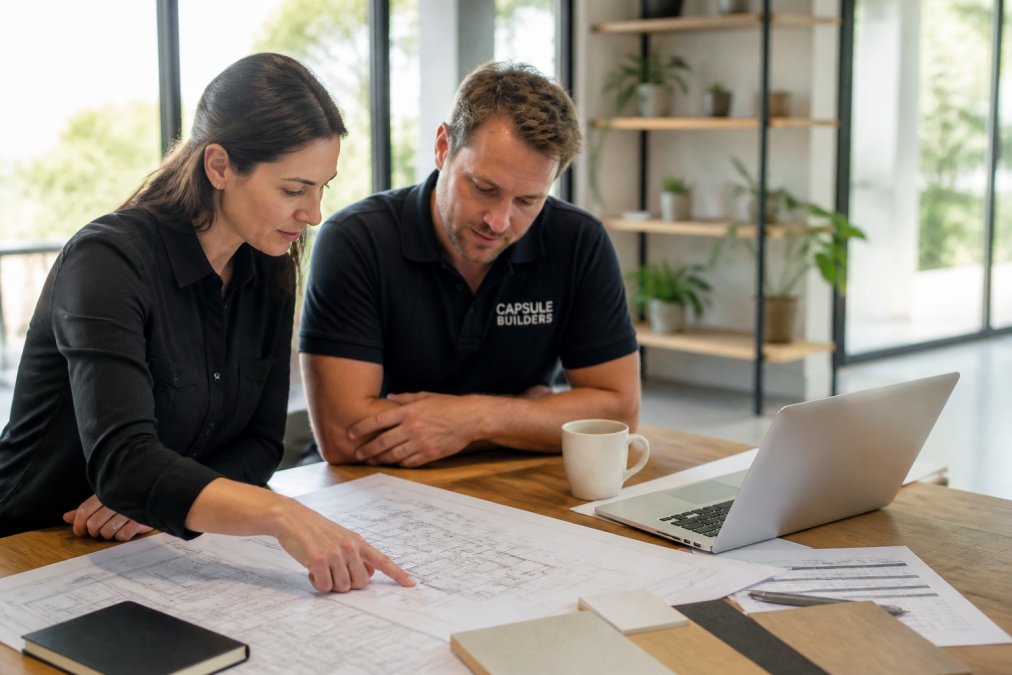
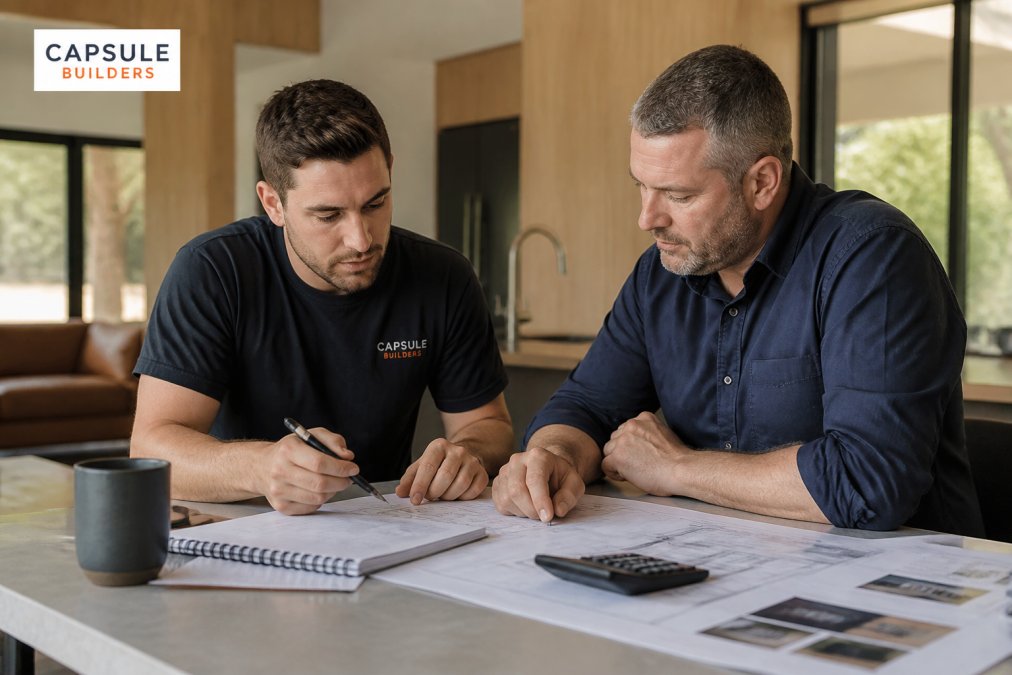
Start with a detailed budget breaking down every cost category: factory-built modules, site preparation, utilities, permits, and contingency. Many builders offer real-time budget tools showing how design choices affect totals instantly. Set aside a contingency buffer of 10-15% of your total budget, unexpected site conditions, permit delays, or material price changes happen (pmi.org).
Review your contract's change order process before signing. How are variations priced? How quickly approved? A clear process prevents disputes. Modular construction timelines differ from traditional builds, modules are fabricated in parallel with permits, speeding delivery. However, permit delays stall everything. Know your local council's typical approval timeframe and budget accordingly. Builders who specialise in custom modular builds often have streamlined processes for managing these timelines and can advise on realistic schedules for your region.
Frequently Asked Questions
What are the most common causes of cost overruns in modular home projects?
Cost overruns typically stem from underestimated site preparation costs, unclear scope of work in contracts, unforeseen geotechnical conditions, delays in building permits, and unplanned variations or change orders. Site access difficulties, utility connection complexities, and inflation in material prices also contribute. A fixed-price contract with detailed scope documentation and contingency buffers helps mitigate these risks. Experienced modular builders specify site requirements upfront to prevent surprises.
How do fixed-price contracts protect me from modular home cost overruns?
A fixed-price modular home contract locks in fabrication and installation labour costs, protecting you from inflation and labour-rate fluctuations during the build period. However, the contract must clearly define scope of work, site conditions, and what constitutes a variation. Changes outside the agreed scope trigger change orders and additional costs. Ensure your contract specifies delivery logistics, module installation, utility connections, and any site-specific requirements. This clarity prevents disputes and unexpected bills after handover.
What site preparation costs should I budget for in a modular build?
Site preparation costs include geotechnical reports, soil testing, foundation work, site access improvements, and utility trenching. Costs vary significantly based on soil conditions, site slope, existing vegetation, and distance to mains services. Budget contingency for unexpected findings during excavation or testing. Engage an experienced modular builder early to assess your land; they can identify site-specific requirements and help you budget accurately. This upfront investment prevents costly surprises during module delivery and installation.
Cost overruns in modular home projects are manageable when you plan systematically. Fix your contract price, budget for site-specific costs upfront, and use tools that give you real-time budget visibility. The experienced modular builders who specialise in custom modular builds understand that transparency and clear contracts prevent surprises. Start your concept with a detailed scope, a fixed-price agreement, and a realistic contingency. That foundation keeps your project on track.