 blog
blog
Fox Modular vs Evoke Living: Which Builder Fits You?
Table of Contents
- Fox Modular vs Evoke Living: Key Differences
- Modular Home Construction Timelines: Speed and Efficiency
- Custom Modular Home Design Process and Flexibility
- Modular Home Resale Value: Long-Term Investment Considerations
- Frequently Asked Questions
Last Updated: August 25, 2026
Fox Modular vs Evoke Living: Key Differences
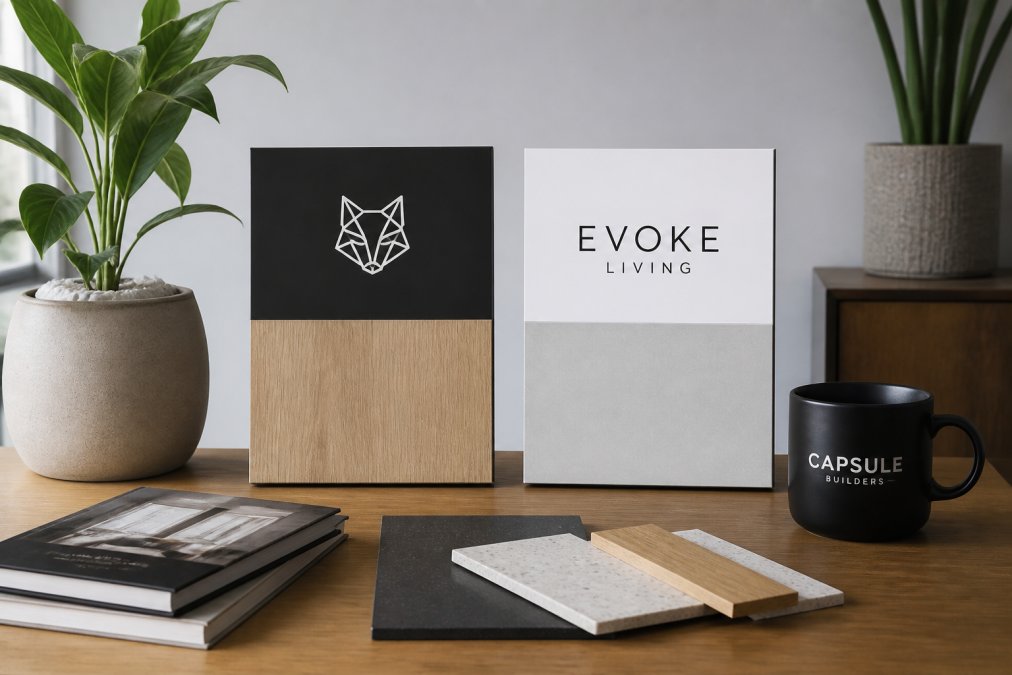
When comparing Fox Modular vs Evoke Living, you're looking at two approaches to modular construction that diverge in meaningful ways. Both operate in the offsite construction space, but their philosophies around design flexibility, build efficiency, and customer control differ significantly. Fox Modular emphasises speed and standardised modules, which works well if your vision aligns with their preset configurations. Evoke Living positions itself around design-led solutions, offering more architectural input upfront. The real distinction is how much say you have in the outcome, how quickly you move through approvals, and what happens when your land has unusual conditions or access constraints.
Neither company publishes detailed pricing online, so direct cost comparisons require requesting quotes. What matters more is understanding what you're actually paying for: are you buying speed, design flexibility, or both?
Modular Home Construction Timelines: Speed and Efficiency
Modular construction delivers faster handover than traditional builds because fabrication happens in parallel with permit processing. Typical modular projects move from design approval to site installation within 6-12 months, depending on permit complexity and site readiness (peer-reviewed research). Traditional builds in the same region often stretch to 18-24 months, that 6-month difference matters when you're eager to move in or when rental income depends on completion dates (peer-reviewed research).
Both Fox Modular and Evoke Living compress timelines, but the mechanisms differ. Fox's standardised approach means fewer design iterations and faster fabrication starts. Evoke's custom-design process takes longer upfront but can reduce on-site surprises. An experienced modular builder knows which trade-off suits your situation: do you want to move fast, or do you want to nail the design first?
Site preparation speed also matters. Modular modules arrive ready to connect, so installation typically takes 4-8 weeks once your foundation and utilities are prepared, substantially faster than framing, cladding, and finishing a traditional structure on-site (peer-reviewed research). A complete modular builder including installation manages this entire sequence, coordinating fabrication with site readiness to keep your project moving smoothly.
Custom Modular Home Design Process and Flexibility
Custom modular design starts with your actual land, not a catalogue.
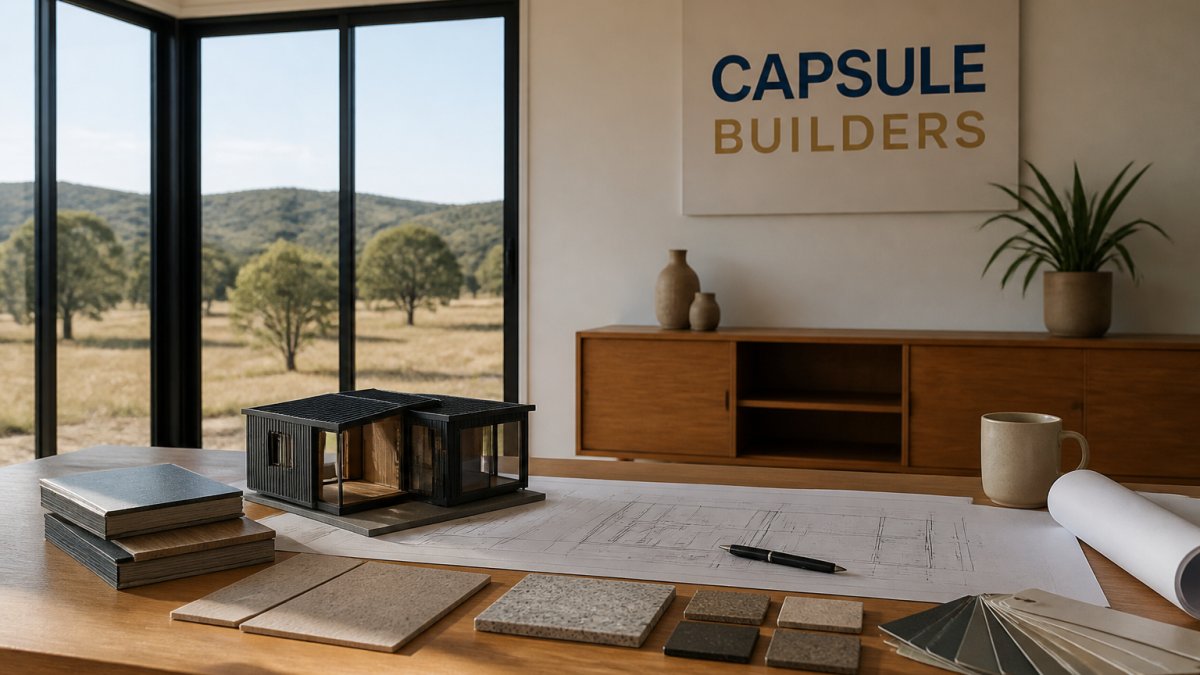
The design process with an experienced modular builder involves surveying your block, understanding site constraints (slope, access, soil conditions), and designing modules that fit your specific context. You can build anything modular if the designer understands what you're working with.
Evoke Living leans heavily into architectural customisation, offering more design iterations and aesthetic control. Fox Modular's approach prioritises efficiency by offering curated design options rather than unlimited customisation. This works brilliantly if your needs align with their offerings, but it can feel restrictive if your land or lifestyle demands something outside their standard range.
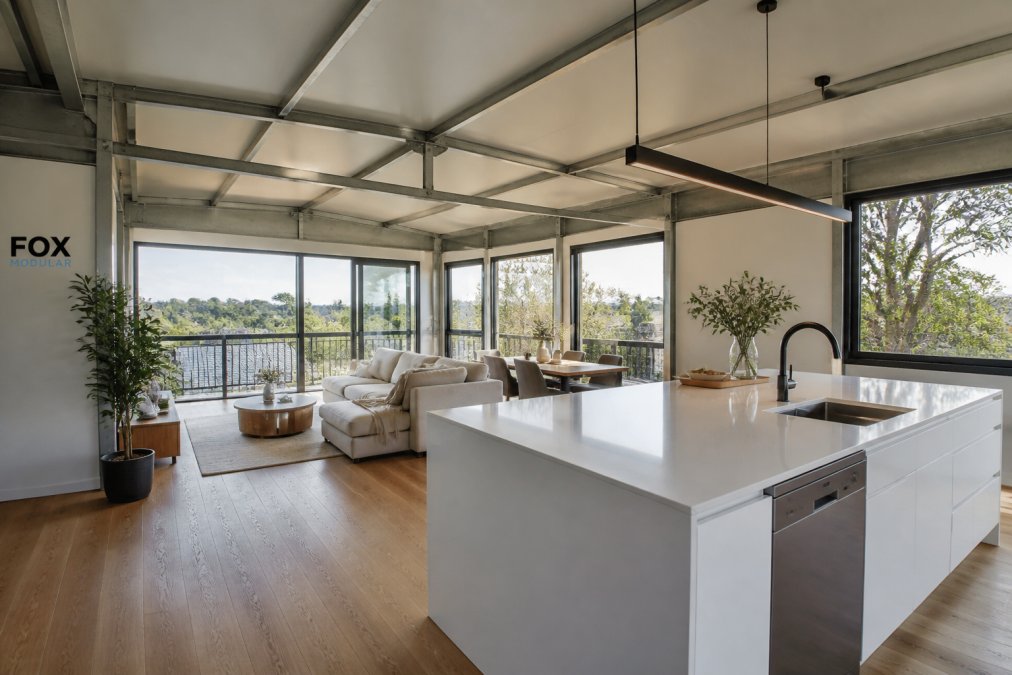
The Capsule Studio™ tool lets you design your home and manage your budget in real time, ensuring transparency throughout the process. That level of control transforms the experience from passive selection to active collaboration.
Modular Home Resale Value: Long-Term Investment Considerations
Resale value for modular homes has shifted significantly over the past five years. Banks and valuers now recognise offsite construction as legitimate, provided the build quality is consistent and documentation is thorough.
The key driver of resale value isn't whether the home is modular; it's whether the build quality, design, and location justify the price. A well-designed, energy-efficient modular home in a desirable location often outperforms comparable traditional builds because construction defects are rarer and energy ratings are typically higher.
Lenders increasingly view modular homes favourably because factory-built quality is more predictable. Your documentation matters: building certifications, council approvals, and completion certificates need to be clean and accessible.
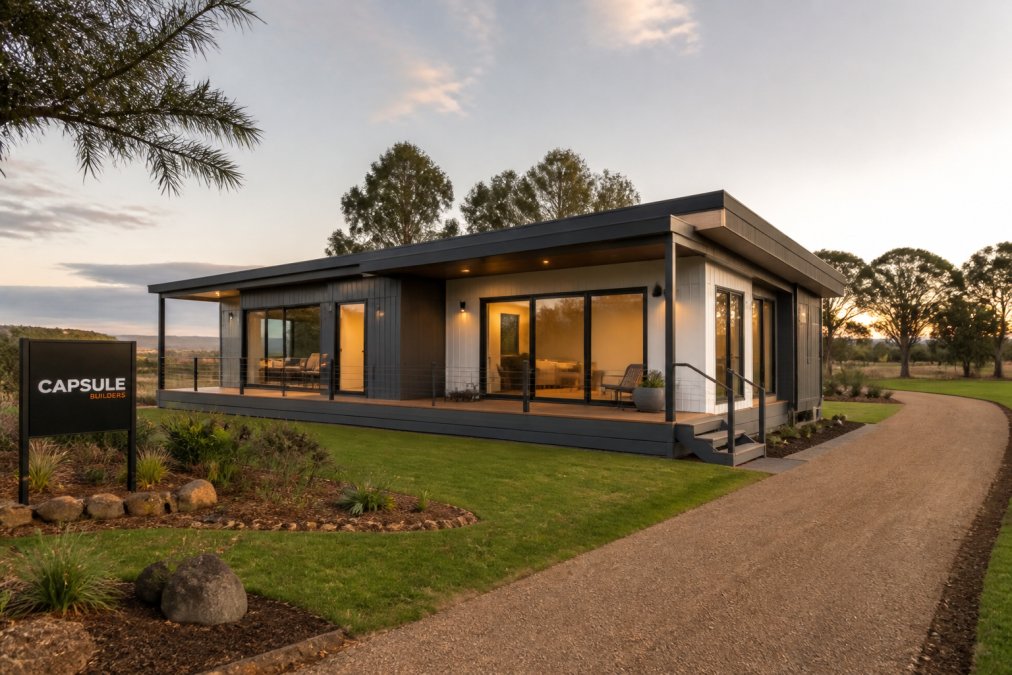
Location and design longevity affect resale more than construction method. An experienced modular builder understands how to design for resale: choosing finishes that age well, incorporating features buyers expect (solar-ready wiring, battery storage options), and ensuring the overall aesthetic feels timeless rather than trendy. These decisions made during design phase directly influence what your home will be worth in ten years.
Choosing between modular builders means understanding your priorities: speed, design control, transparency, or a balance of all three. Both Fox Modular and Evoke Living deliver quality modular homes, but they suit different situations. If you want a builder who specialises in custom modular builds with real-time budget control and land-specific design, explore how Capsule Builders combines precision offsite construction with transparent design collaboration. Start your concept and see how modular construction can work for your land and lifestyle.
Frequently Asked Questions
Q: How do modular home construction timelines compare between different builders?
A: Construction timelines vary based on design complexity, site preparation, and permit processing. Off-site fabrication typically allows parallel processing, meaning your home is being built while permits are finalised. The exact timeline depends on your customisation choices and regional site conditions. Request a detailed timeline from your builder during the planning phase.
Q: Do modular homes hold their resale value like traditionally built homes?
A: Modular home resale value depends on build quality, design appeal, and market perception in your region. Homes built by reputable builders with strong construction standards and modern aesthetics typically hold value well. Banks and buyers increasingly recognise quality modular homes as legitimate residential investments. Focus on choosing a builder known for precision engineering and durable materials. Long-term resale strength correlates with the builder's reputation and the home's energy efficiency ratings.
Q: What should I look for when comparing modular home builders?
A: Evaluate builders on their custom modular home design process, build quality standards, regional delivery capabilities, warranty support, and transparency in cost management. Check whether they specialise in custom modular builds tailored to your land and lifestyle. Ask about their off-site construction methods, material specifications, and post-installation support. Request references from past clients and review their portfolio. An experienced modular builder will offer clear timelines, detailed design consultations, and honest communication about your project's scope.